Good Morning, everyone.
It’s a very hot and humid June here near Taichung, Taiwan.
Welcome back to AI Supremacy where we cover AI at the intersection of business, finance, tech, society, culture and civilization. We also try to deliver to you a few AI guides each month.
I’m not sure if Anthropic is ‘midwifing a deity‘ according to VC Bill Gurley, but they have seemingly beaten OpenAI to a confidential IPO filing that enables them to fast-track what will likely be the biggest AI IPO in history in September, or October later this year. It’s a frantic situation for some of the fastest AI startups in history.
“The AI supercycle has 4 bottlenecks: compute, memory, power and now photonics.” – Crack the Market Newsletter ()
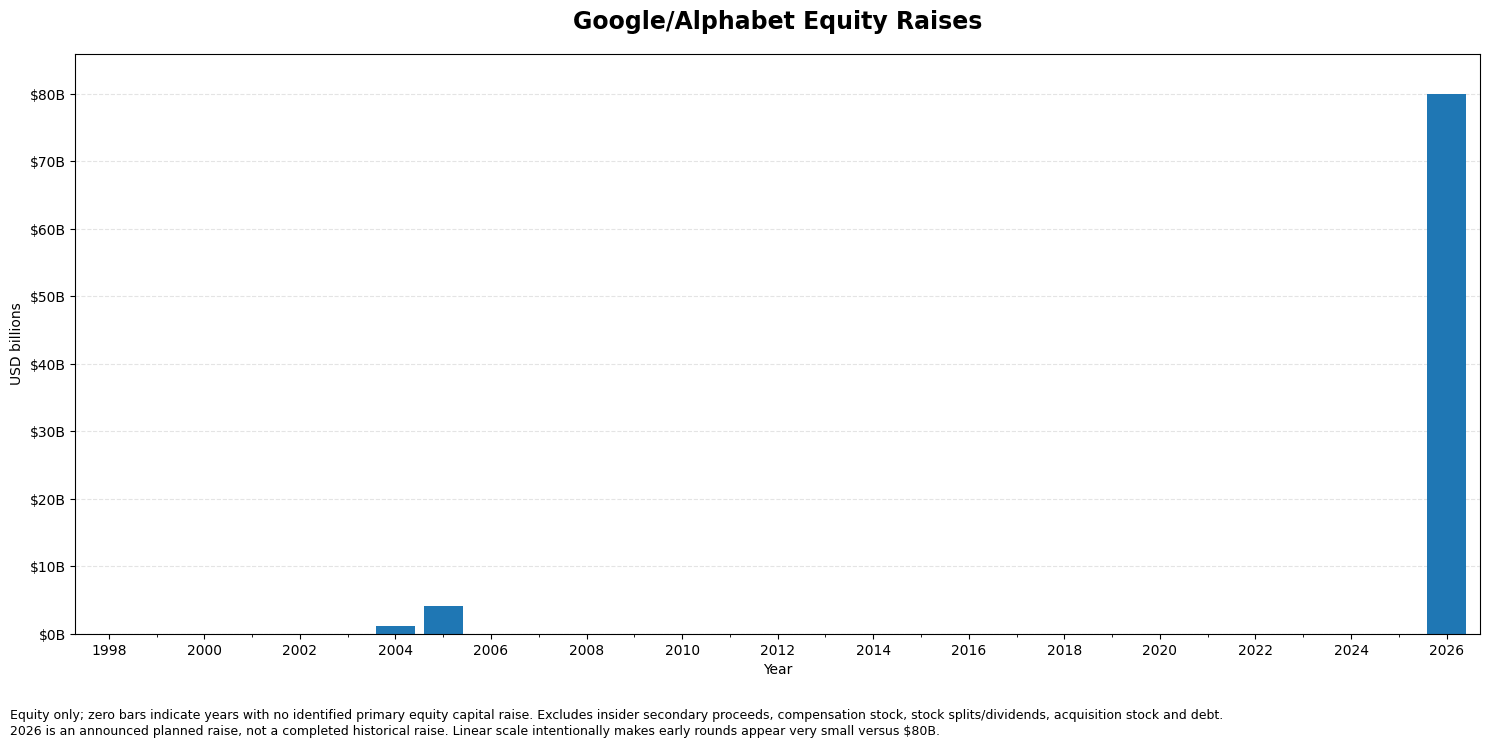
It’s an exceptional time, Google wants to raise another $80 billion in stock, including through a $10 billion investment by Berkshire Hathaway for the unique challenges of more AI Infrastructure and power solutions.
Claude for Equity Research
Meanwhile our guide on using Claude for investing by got a lot unexpected organic traffic and bookmarks on X, where people are using AI for equity research, and beginning to use agents for investing. What struck me about this piece is the number of bookmarks, free trials and buzz it was getting across social media.
The Datacenter Acceleration & Backlash 🚨
There are a lot of Datacenter stories that I want to catch up to drive and give you a holistic picture from many angles about the space and the reality not just from the VC and corporate side but from the more human, energy, local community and environmental perspectives as well.
In April, Alphabet updated its full-year capital expenditure range to as much as $190 billion and others like Meta and Amazon may go even further so there’s a steep increase in corporate foreign bonds (debt) and various projects around Energy and Datacenters. With SpaceX having to sell compute to Anthropic just to make ends meet pre-IPO, Meta might become a glorified Neo Cloud as a side gig. These my friends are weird times. Google had already last month announced a TPU based Neo Cloud with Blackstone.
In this article I’ll try to cover some trends I’m noticing and some Datacenter stories that caught my eye over the past few weeks. Scroll down for more on this.
AI Startups are Eating Pre Generative AI Startups: Fallen Unicorns 🦄
In Venture Capital’s obsession with AI, they are funding newer startups that are AI-native post 2023. For instance, AI is “disrupting” startups pre ChatGPT. Nearly half of America’s 857 unicorn startups haven’t raised fresh funding in three years, PitchBook data shows.
While business creation appears to be higher, there’s carnage in the startup world. Nobody told you more than 220 companies that once hit billion-dollar valuations are now considered “fallen unicorns”.
The concentration of capital is also damaging – in that, the AI boom that has funneled more than $250 billion into OpenAI and Anthropic and reset valuations on entire classes of startups. There’s a kind of price for this kind of American innovation. It’s pure carnage in the land of startups and Silicon Valley doesn’t like to admit the obvious:
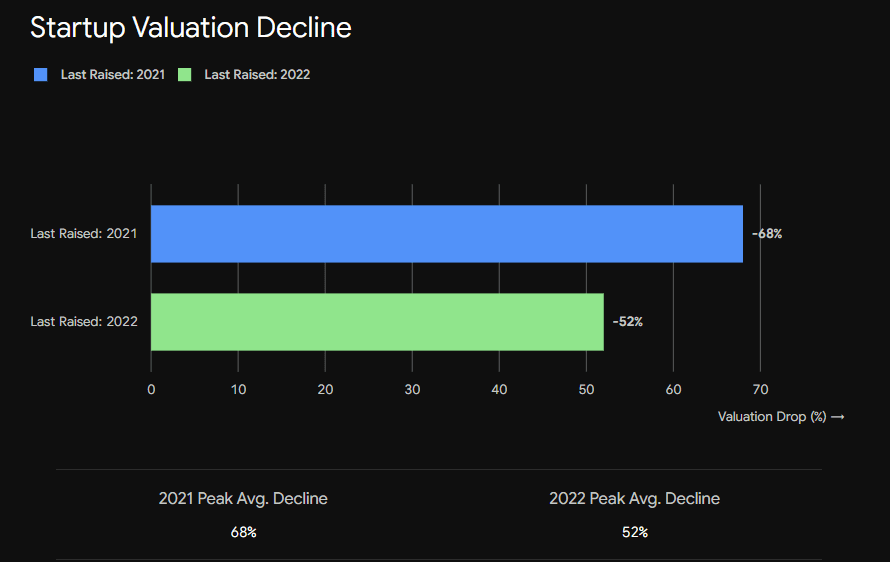
“Startups that last raised in 2021 are now worth 68% less on average, while those that last raised in 2022 saw a 52% decline, according to Pitchbook’s own valuation estimates.” – CNBC
Startups that raised just 4 years ago, in 2022, are down 52%. Just like I predict now, startups born with agentic AI might destroy AI startups pre Agentic AI, for example pre 2026. AI in many ways is a great destroyer of capital not just in Capex but in the cost of Venture Capital FOMO on all the other industries that would ordinarily be getting funded.
It’s not just the demand for compute that’s accelerating, it’s the speed of adaptation.
Time to Revenue has Been Sped Up
Generative AI may ultimately reduce the amount of capital required to build successful software companies, but also create way fewer major winners. This means the United States and China siphon more of the value for themselves while other countries and their economies could suffer.
It’s the mismanagement of capital when presented with such an opportunity. Spiraling Capex, foreign bonds, and centralized innovation policy just tell one side of the story. We glorify the efficiency of AI coding, but what’s the reality?
The Great Token Wasting of 2026: 🗑️
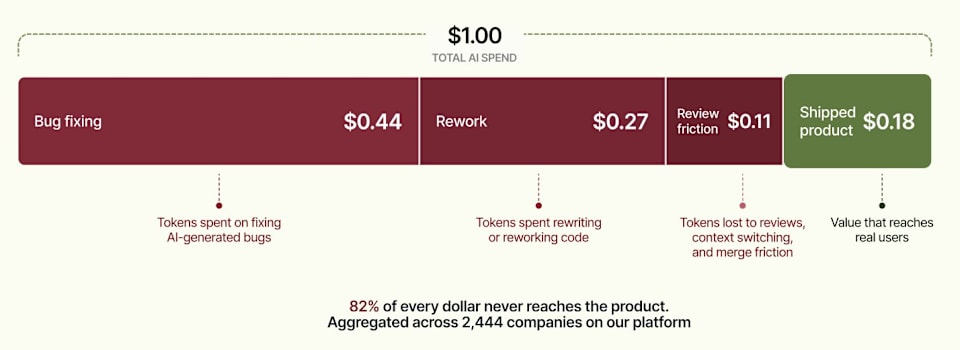
For every $1 in AI spend, 82 cents never make it to production, according to the startup EntelligenceAI, which estimates only 18 cents turn into shipped product, with the rest going to bug fixes, rewriting, or reworking code, and review processes.
I don’t have to tell you building costly datacenters that need the best GPUs that upgrade once or more per year is going to be a costly affair. Now with an HBM AI chip, photonics and various supply-chain bottlenecks and shortages, AI is going to get much more expensive quite literally.
AI is forcing us to rethink company valuations, productivity, IT and Tech budgets, management layers and what a company looks like and operates in the Post Generative AI world.
☀️
Book-Stack 📚🌍
Cli-fi author announced her new book titled: There is Hope.

There Is Hope is a climate fiction novel that explores Europe in the year 2550, four and a half centuries after we have reached 5°C of global warming by the end of the twenty-first century. Learn more. 🙏🏼 Told as a mosaic of memories, There Is Hope is a luminous novel about ecological reckoning, sacrifice, and the fragile persistence of hope at the end of the world.
Remote work Might be Impacting New Grads more than AI 🎓
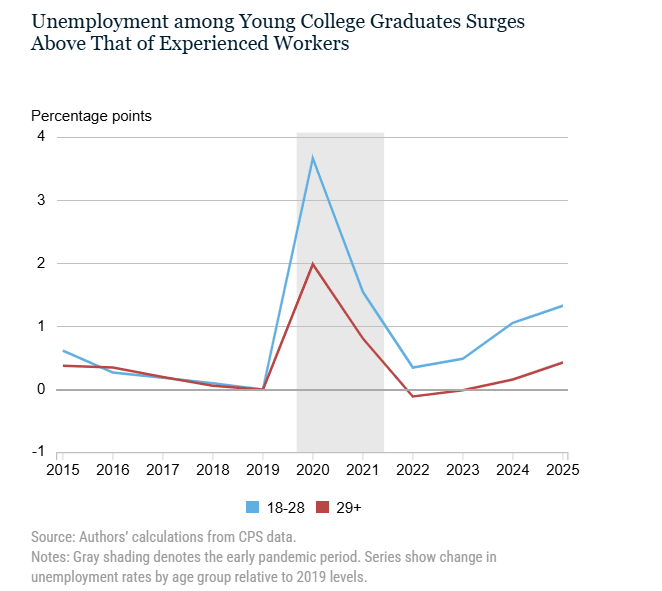
We know the labor market is tighter for new College graduates with many struggling to get a food in the door with less entry level position open in the sort of jobs they used to covet like in Tech, Finance and consulting. There’s new research from the Federal Reserve Bank of New York that is finding remote work could be impacting this situation more than AI.
Researchers, including University of Virginia economics professor Emma Harrington, studied software engineers at a Fortune 500 tech firm. They discovered that engineers received about 20% more feedback when working in close proximity to their colleagues compared to when they worked remotely. There’s some indication that there’s been a logical shift in hiring priorities too: Because remote environments make it much harder for managers to effectively train and mentor entry-level staff, companies changed who they were willing to hire.
The Impending Power Crunch in the Datacenter Buildout
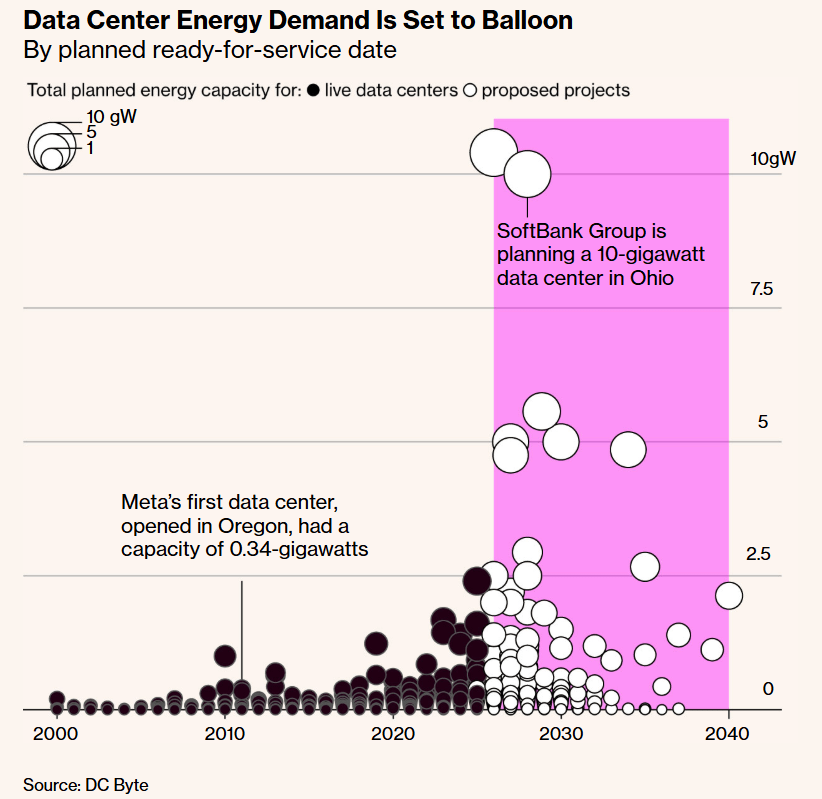
While a higher percentage of datacenter projects are in limbo or have been conceded, the expected rampant power consumption, fueled by “AI factories” that gobble up enough power to keep the lights on in millions of homes, threatens to put more pressure on electricity prices in the US, expand AI’s carbon footprint — and potentially slow down the AI boom (Bloomberg).
This is leading to capital flowing into energy and power innovation. The scale of the size of the AI Datacenter clusters also become gigantic post 2027 compared to pre 2027 changing the trajectory of the electricity grids, water and entire communities in many U.S. states and elsewhere.
Power Mania and Bottleneck Chaos has Arrived in Datacenter Land 🐣
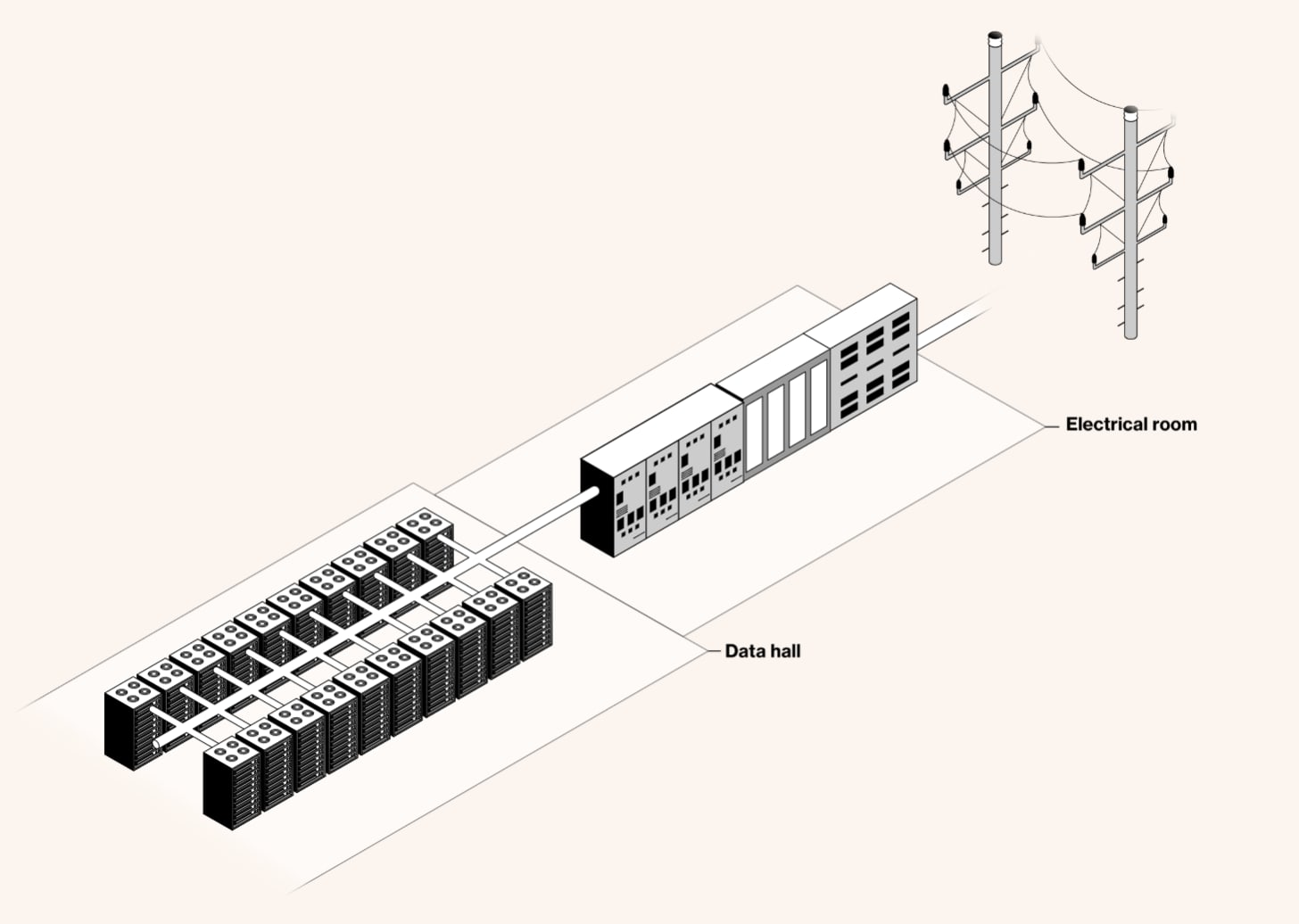
The power crunch and bottlenecks adding up are forcing a reckoning among hyperscalers (e.g. the biggest Cloud computing companies), data center operators, chip makers and power equipment producers. The way we conceive of, cool and manage these AI datacenter clusters is going to have to transform with the times.
Who Does AI Really Belong to? 🤔
Energy saved from a reimagined power system can serve as a climate measure, especially when combined with efforts to use cleaner energy sources. But it’s going to take some time meanwhile the datacenter backlash has become full-on political. Vermont Senator Bernie Sanders’ forthcoming American AI Sovereign Wealth Fund Act would reshape who profits from artificial intelligence. Listen to his pitch here. Meanwhile Silicon Valley and its legions are dismissing ideas like that of the far-left democrats on datacenters and a more equitable wealth distribution around the AI boom as merely “populist”.
Trump and Military AI and Robotics 🤖
The Trump administration is pushing to unleash the power of artificial intelligence for the U.S. military with an almost total lack of AI regulation and guardrails for the Department of War and America. Trump and his family even have ties to a military robotics startup called Foundation Future Industries, a start-up founded in 2024, aims to leverage humanoid robots for military and industrial work, rather than household tasks and the service sector.
The start-up has already tested its humanoid robots in Ukraine and is aiming to soon bring its technology to the U.S. military. The robotics company recently brought on Eric Trump, the son of the sitting president, as a chief strategy advisor.
Meanwhile Defense Secretary Pete Hegseth, is pushing to rapidly evolve the military through AI. It is a push that has led to clashes with some tech companies worried about safety measures. On January 27, the Bulletin of the Atomic Scientists moved its Doomsday Clock to 85 seconds to midnight, the closest its ever been to existential catastrophe. The threat of military AI is becoming way more tangible in the late 2020s. Leadership like the Trump Administration with many tycoons and Venture Capitalists intimately connected and associated, are bringing us all closer to a more dangerous and uncertain geopolitical world. Physical AI is certainly going to have a dark side if the U.S. continues its imperialistic playbook of war, threats, trade sanctions, surveillance and invading the sovereign territory of other nations.
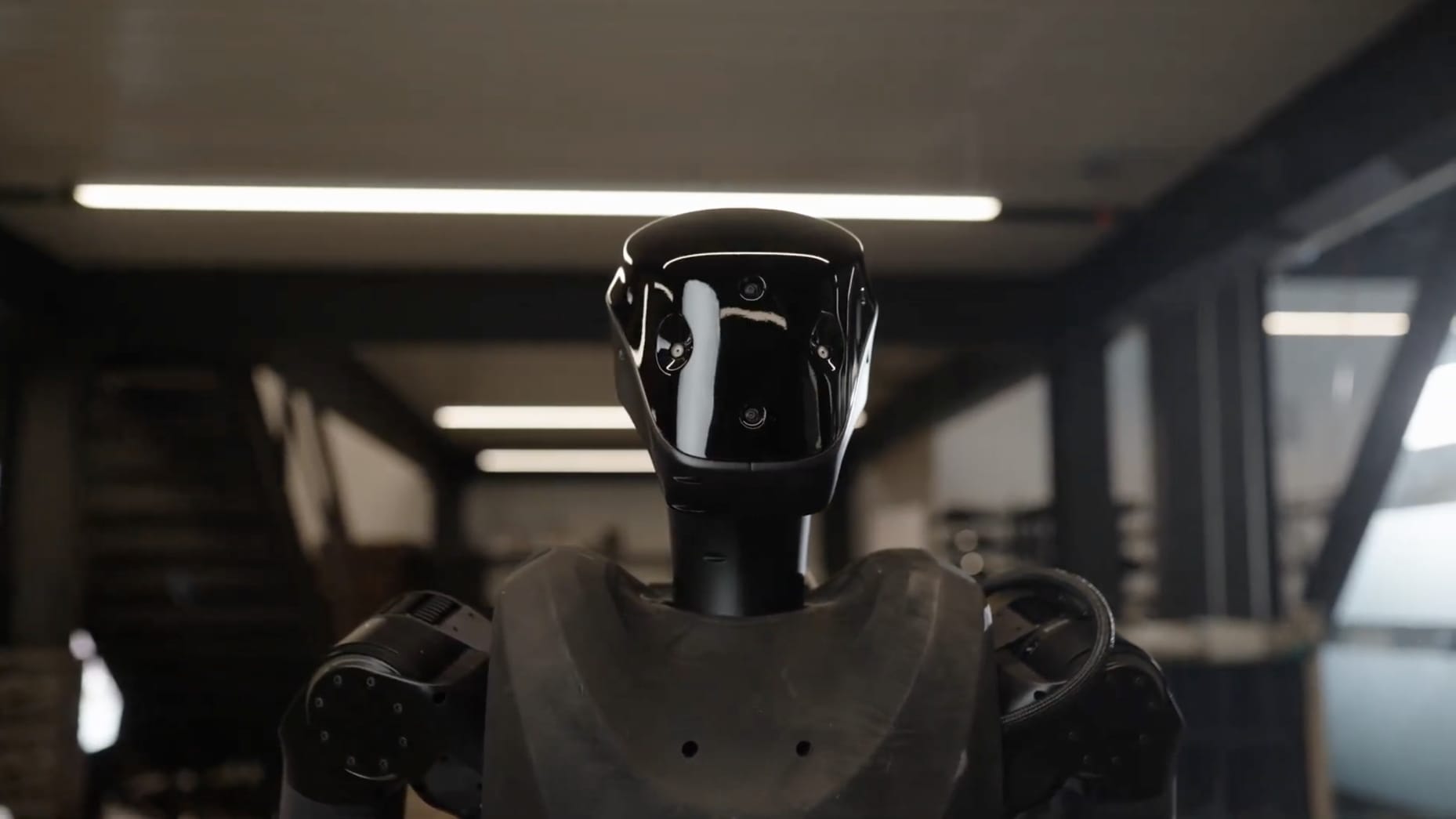
Hegseth has insisted that the Pentagon be allowed to use the technology “any legal way it sees fit.” But the attack on Iran that has sent the entire world into an Energy crisis wasn’t legal according to many experts with fairly dubious justifications. If the U.S. military and Israel military keep evolving in this manner Trump’s over—budget Golden Dome for the United States might actually become necessary. The robotics startups has received $24 million in government research contracts across the Army, Navy, and Air Force for feasibility testing in inspection, logistics, and weapons handling. More spiraling costs for a United States with a major debt crisis in the years ahead. I think it’s reasonable to asses that the AI powered by more U.S. and global datacenters may be used for nefarious purposes.
Berkshire Hathaway invests extra $10 billion in Alphabet 🎢
I can’t fully get over Berkshire Hathaway’s bet on AI with this Google partnership. As of today, I believe it’s common knowledge that as of the latest Q1 13F filing, Google (Alphabet) makes up roughly 6.3% of Berkshire Hathaway’s total U.S. public equity portfolio. Google has officially become a value stock, but also this is yet another aspect of the circular financing active in the AI boom.
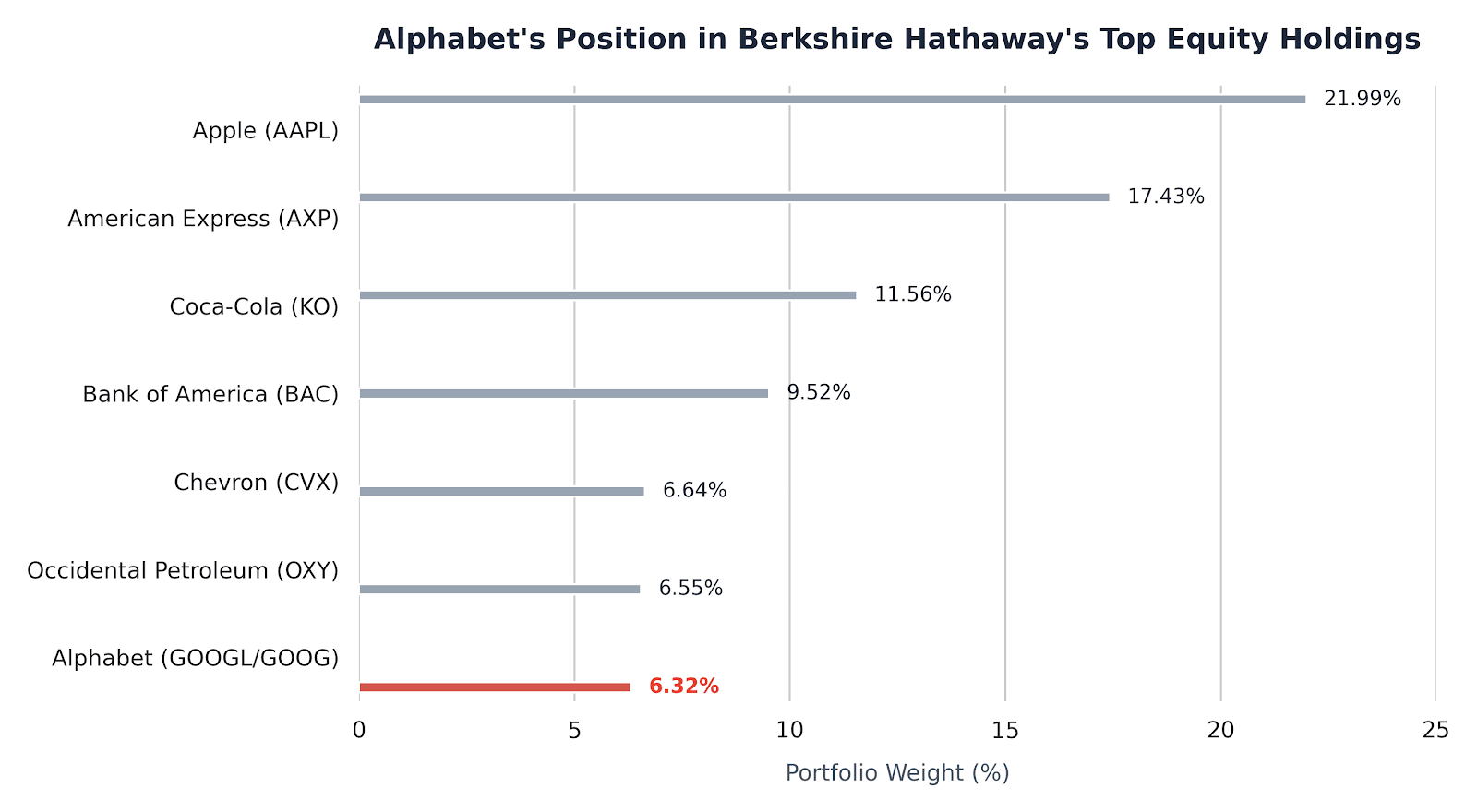
Remember that Alphabet also held a 6% stake in SpaceX meaning their IPO has implications for all of this. Google’s ascending Capex needs to come from somewhere as Alphabet said it plans to sell $80 billion in stock. That includes $40 billion in new stock dripped into the stock market starting in the third quarter (meaning probably starting in July) as per Gizmodo. Google last said it plans for its total capital expenditure (capex) to reach between $180 Bn. and $190 Bn for the full 2026 fiscal year. This puts financial challenges on those building frontier models like OpenAI, Anthropic, Meta, Microsoft and others to be able to follow. Additionally, Alphabet’s total bond issuance specifically driven by this AI capex cycle stands at roughly $45 billion to $46 billion raised across two massive, multi-currency global bond sprees.
Alphabet is typically pretty fiscally responsible and along with Anthropic it’s seen as among the frontier model, full-stack and vertically integrated winners. It’s TPU sales are also likely to skyrocket in sales as Google Cloud revenue surges in the AI boom period. Google’s total equity in Anthropic is in the 10 to 15% area with its most important AI person being a angel investor in the company! That’s right, Google DeepMind CEO Demis Hassabis was an undisclosed angel investor in Anthropic during its early “angel round” at founding. His last name well original surname was “Hassapis” (Greek: Χασάπης), meaning “butcher” in Greek. Well the AI butcher is fairly involved.
Anthropic and OpenAI have both seemingly filed confidentially for their IPOs which means they will likely be very near each other in September or early October 2026. How much compute will they both need by then is the question? We know that Google, Microsoft and Meta should be fine, even if their free cash flow won’t be what it once was. Google having a roughly 14% stake in Anthropic post IPO is the ultimate moat. Also important to note that $80 Billion is a drop in the bucket for what Hyperscalers are going to need who want to stay in the frontier AI race.
Recent Grads are Living a “Lost Generation” vibe experience regarding Entry Level Work
This CNBC Make It video really hit home for me. I graduated in 2009. 23-year-old Ashley Terrell shares her experiences of work post-graduation. Ashley attended the University of Hawaii at Manoa and graduated in 2024 with multiple degrees, including marketing, international business, entrepreneurship, and management: (or see the video here). Many of her classmates had similar experiences and depict a different experience for younger GenZ (Zoomers) in the tighter U.S. labor market of the second Trump Administration.
Microsoft insists its $20 billion Great Lakes data centers will not come close to water use trigger 🌊
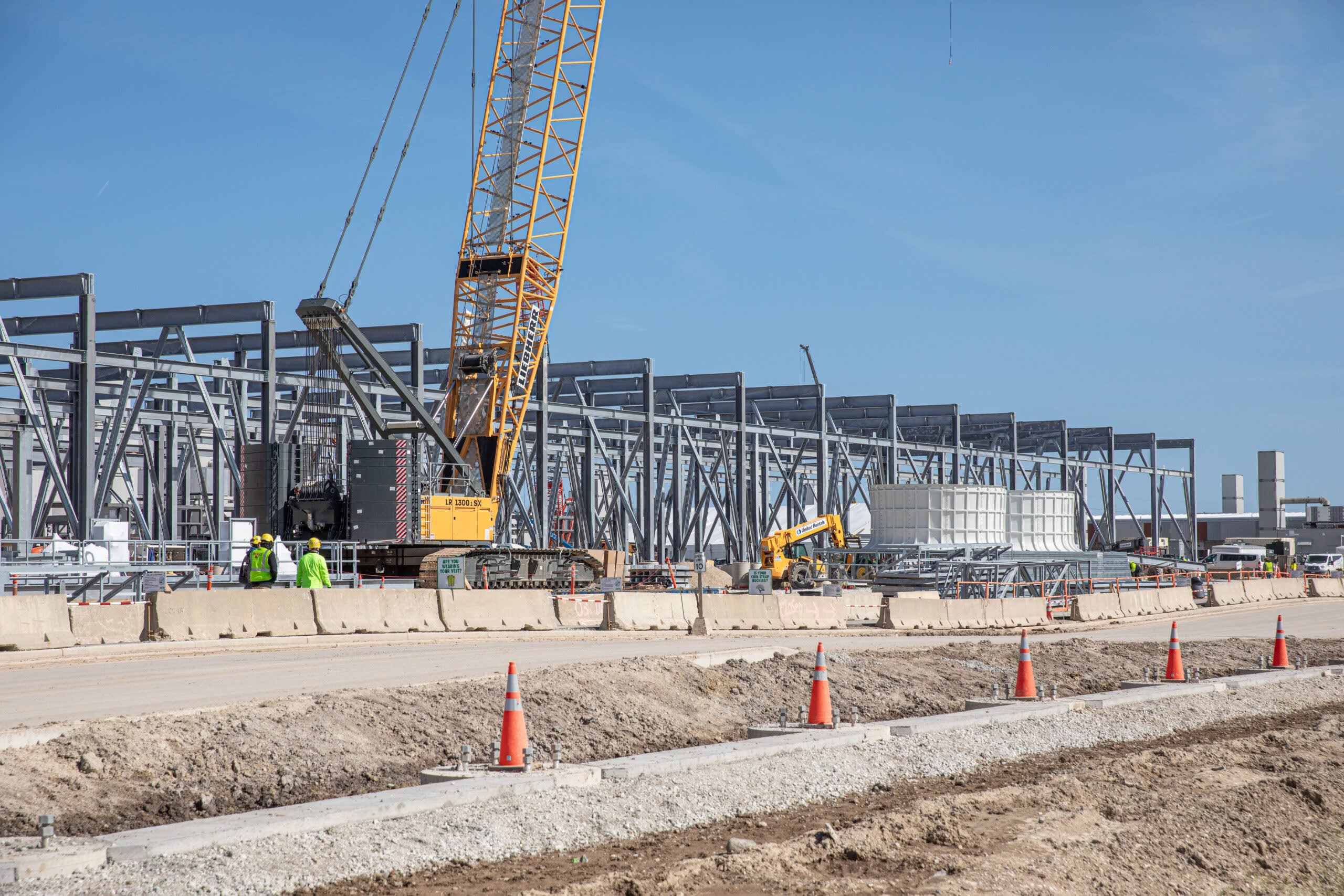
All over the U.S. there are major datacenter projects and followed by major controversy. In the Great Lakes region, though, the questions naturally turn to the significant water usage to power and cool the tech. Microsoft is investing $20 billion in data centers in Mount Pleasant, Wisconsin, while also building campuses in Michigan and Indiana, according to WPR. Hyperscalers are sneaky in their lack of transparency with regards to many details of their projects.
The Great Lakes-St. Lawrence River Basin Water Resources Compact regulates large water diversions and consumptive uses across the eight U.S. Great Lakes states and parts of Canada. A key threshold is 5 million gallons per day of lost/consumptive use averaged over any 90-day period — this triggers regional review, notifications to other states/provinces, and potential additional oversight. In Mount Pleasant, the city of Racine projected last year that Microsoft’s full buildout could use up to 8.4 million gallons per year.
Why so Secretive? 🏭 Datacenter Impacts on Local
Environmental activist recently wrote a viral post on Substack on May 27th, 2026 titled “If Data Centers Are So Great, Why Are They Being Built in Secret?” She recently launched a website with a map of data centers across the United States.
“The single most common concern — more than noise, more than water usage, more than rising utility bills — is the one word that keeps appearing in submission after submission: transparency,” she wrote. – TechCrunch.
-
Noise
-
Water
-
Health impacts
-
Power/Electricity
-
Pollution / smog
-
Rising electricity bills
-
A sense of powerlessness (in communities)
-
Impacts on costs of local real-estate
-
Traffic, light pollution, quality of life concerns
-
Limited economic benefits to local residents vs. costs
There are so many drawbacks for local residents to these AI datacenters and the health impacts can be much more dramatic than you might think. Just the noise levels frequently exceed 60 dB (sometimes up to 90+ dB), audible for miles in rural areas but worse, that constant 24/7 humming, roaring, or low-frequency/infrasound from cooling fans, HVAC systems, and backup generators can have issues related to everything from insomnia, anxiety to tinnitus. Those reported most often include sleep disturbances, headaches, vertigo, nausea, hypertension, anxiety, ear pain, and insomnia.
Brockovich added that she’s not “making a blanket argument against data centers” or AI, but rather against “the pattern our map documents: projects announced after permits are already secured, developers who don’t return calls, local officials who signed NDAs before their neighbors knew a project was being considered.”
With so much money riding on these AI datacenters a lot of sketchy and dark patterns are emerging in their proliferation and a lot of fairly outrageous stories and reports of backroom deals outside the usual rule of law.

Erin Brockovich is an American environmental activist and consumer advocate who became a household name after building a massive, historic legal case against a major utility company in the 1990s—despite having no formal legal training. The story has been widely reported on. Texas currently has 481 data centers in operation, with hundreds more in the works, according to Data Center Map. By 2030, it is estimated that the state will be home to the largest data center hub in the world.

Anthropic renting Compute from SpaceX Temporary?
I’m confused, is it a three year deal like in the original S-1 or as short as six months? The widely reported multi-year compute windfall for Anthropic has taken a sharp turn. While early headlines framing the May 2026 deal suggested a massive 36-month anchor contract running through 2029, Elon Musk has publicly clarified that the agreement is actually a short-term 180-day base lease with a mutual 90-day cancellation right thereafter.
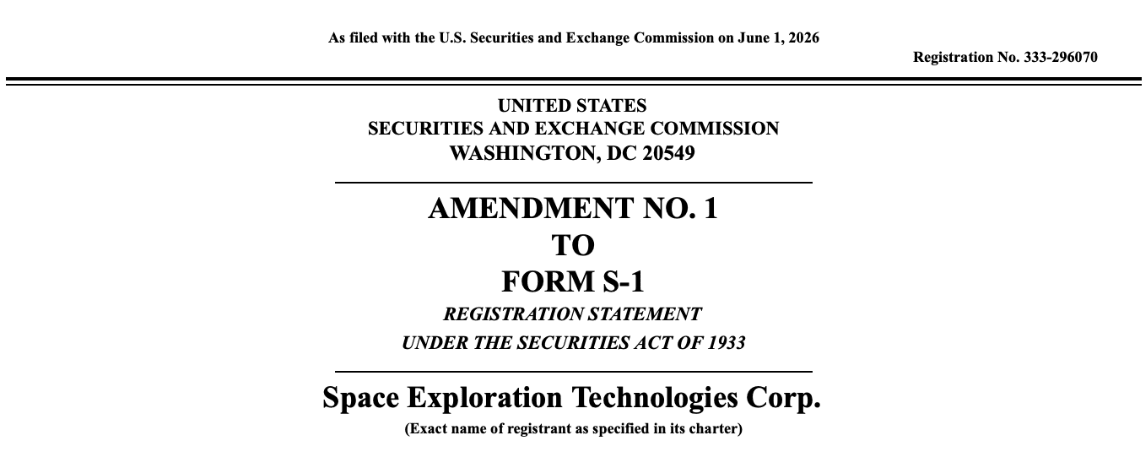
SpaceX issued an amended S-1 on June 1st, 2026 with all sorts of exceptions and new clauses.
Here is the Tweet in question:
This is a 180 day lease with 90 day notice mutual cancellation thereafter. The short term was our request, not Anthropic’s.
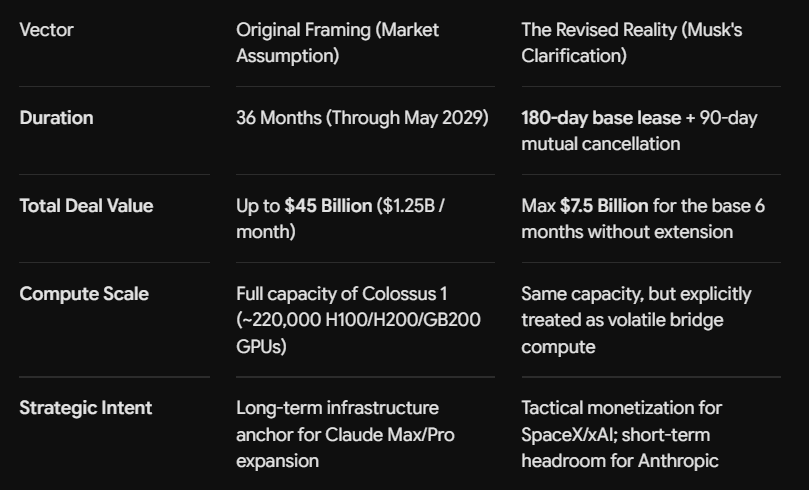
With Anthropic’s demand for compute going high in the second half of the year, if SpaceX canceled the lease they would be in trouble. The terms first announced were fairly clear: SpaceX inked deals for Anthropic to pay it $1.25 billion a month to use compute capacity from its Colossus and Colossus II data center clusters in Memphis, Tennessee through May 2029.
The fact remains SpaceX needs this money until it inevitably merges with Tesla.
Midwifing the Next Species after Humanity 👀
Top AI labs like Google DeepMind, Anthropic, and Meta are actively expanding research into machine consciousness (or related concepts like sentience, introspection, and model welfare). According to the FT and other sources.

Of course, Anthropic has not officially claimed that their AI is sentient. However, leadership and researchers have publicly stated that they can no longer definitively rule out the possibility of consciousness in advanced models like Claude. The fact is we don’t fully know what Anthropic sees in its Mythos class of Models since it’s not publically available.
-
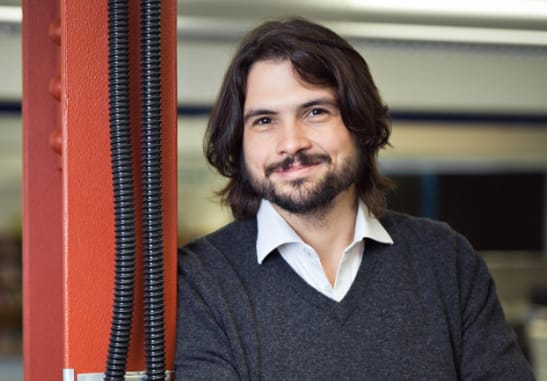
BigTech is hiring more philosophers and ethicists to look into this. Google DeepMind hired philosopher Henry Shevlin (from Cambridge’s Leverhulme Centre) in a dedicated “Philosopher” role focused on machine consciousness, human-AI relationships, and AGI readiness.

-
Anthropic has been particularly proactive. They’ve published work on “emergent introspective awareness” in large models (e.g., models detecting and reporting injected internal perturbations before verbalizing them).
-
Dedicated orgs like PRISM (Partnership for Research Into Sentient Machines), Conscium, Eleos AI Research, and the California Institute for Machine Consciousness (CIMC) are mapping the field and pushing empirical/theoretical work.
-
Researchers at Meta and China are also looking into similar topics. Because Generative AI and LLMs are such a black box to begin with, as they get more powerful we don’t really know the capabilities of potential “synthetic consciousness” perhaps stirring beneath or behind their behavior or as some emergent matrix that “awakens” sometime in the future or is dormant just waiting. Some of the statements of people that work at Anthropic have been unsettling if you are watching this space closely.
The Rise of Solar Energy gives up to Orbital Datacenter Dreams
Global electricity generation increased by around 850 terawatt-hours (TWh) from 2024 to 2025. According to :
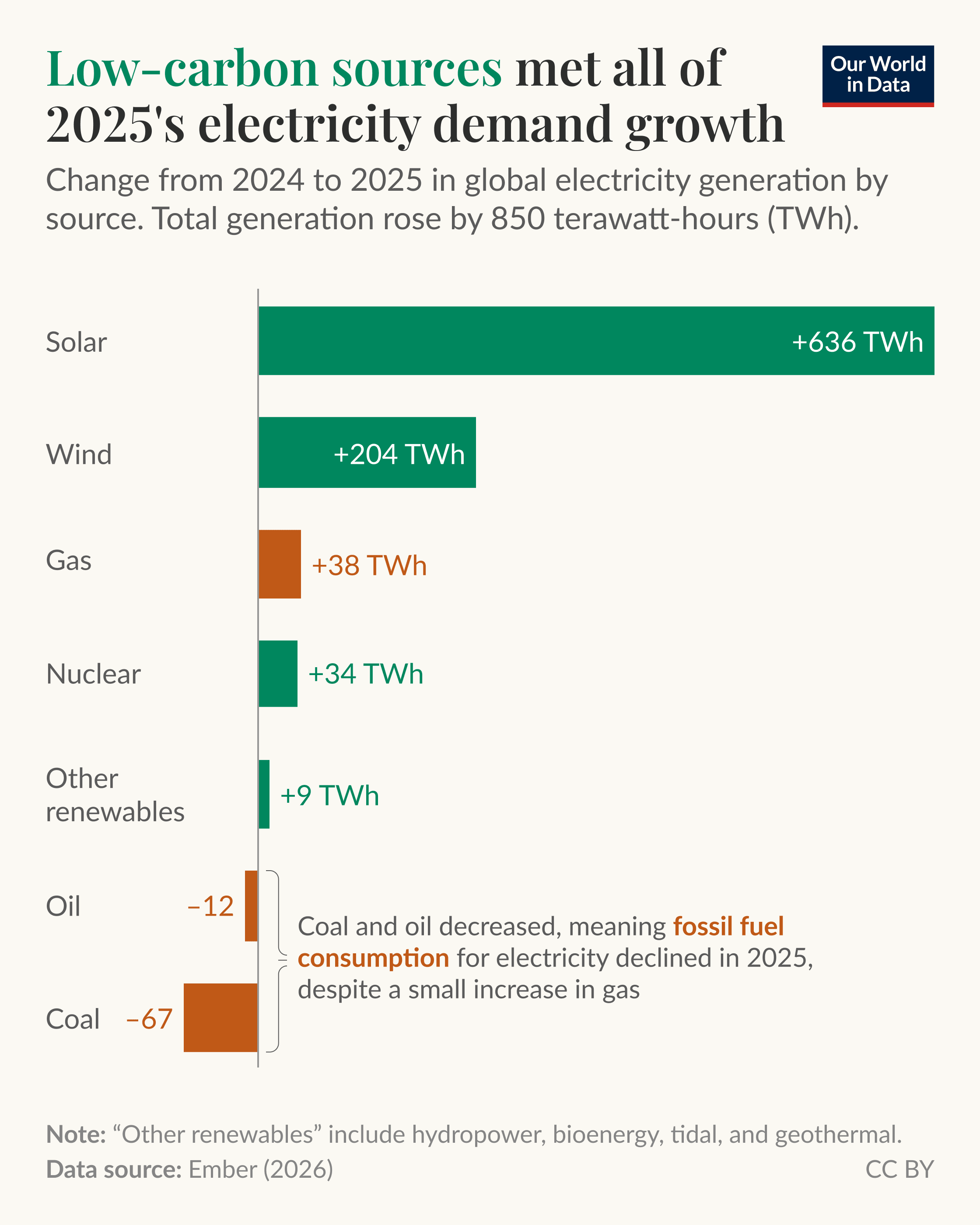
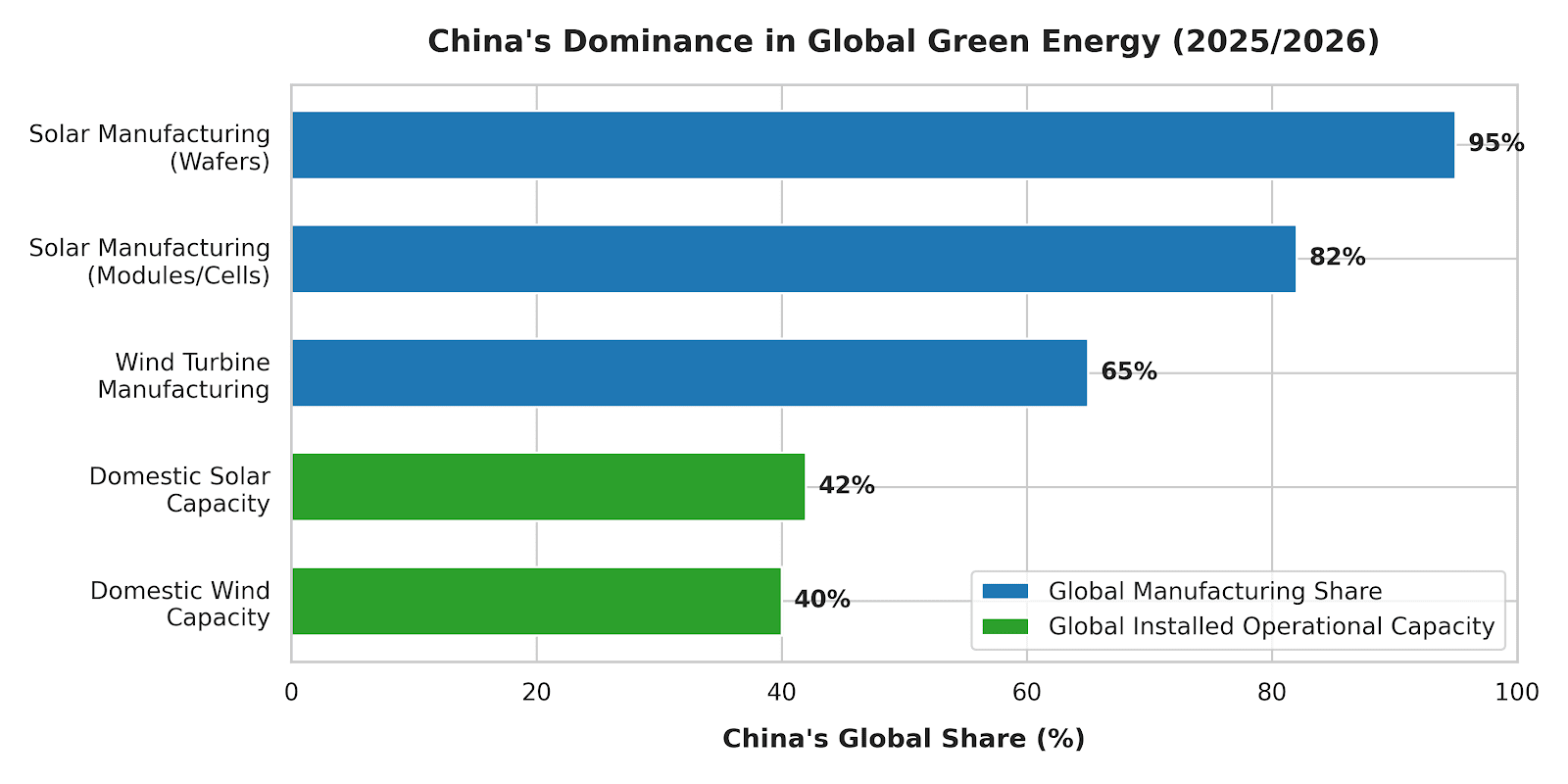
China really leads in Solar and Wind power generation and materials:
The Human-Centric Datacenter Backlash is Maturing Rapidly
Sentiment around AI, especially among GenZ, datacenter community protests and left-politics are pushing back hard. This is accompanied by dozens of Op-Eds in many more left news outlets.


Vibe-check: “70% of Americans now oppose having a data center built near them. More than oppose a nuclear plant (we need both). Unpermitted gas turbines, rising electricity bills, and pollution landing on the communities least able to fight back — this is the playbook that’s now triggering moratorium threats in 14 states.” – Jigar Shah (read him here ).
Alphabet and Amazon could see $300 Billion Capex levels each in 2027.
Mr. Beautiful Kevin O’Leary thinks AI Datacenters should be BIG 🦋
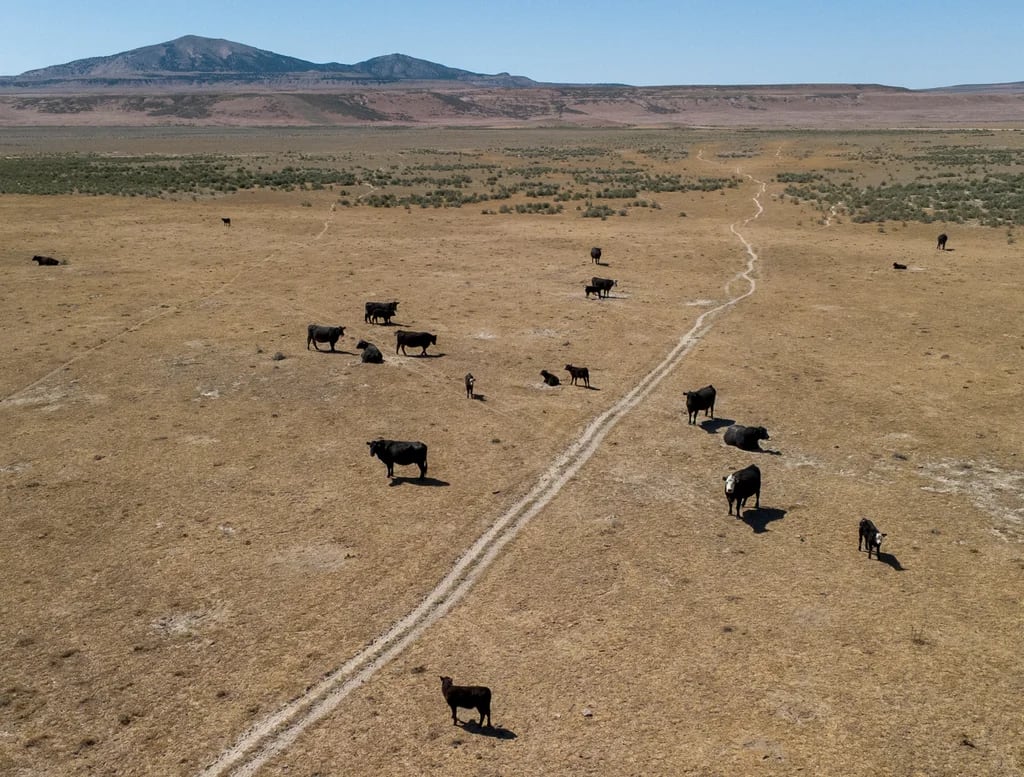
“Shark Tank” investor Kevin O’Leary is currently attempting to build a massive, $100 billion AI data center campus named the Stratos project in rural Box Elder County, Utah. I find the story super disturbing.

If it ever gets built, the 7.5-gigawatt Stratos data center project in Utah would dwarf the AI infrastructure that’s been built to date.
-
O’Leary is also backing a second massive, 7.5-gigawatt tech park called “Wonder Valley” in Alberta, Canada. Presumably these would function as a Neo Cloud.
The escalation of the size of the facilities and tactics used to shut-up opposition is just mind boggling. Including using the argument that protestors are Chinese spies. That has many people in Utah concerned.
-
The project received an initial approval on May 4 by the Box Elder County Commission, which oversees the unincorporated land on which the data center would be built, spurring further backlash.
-
Gov. Spencer Cox issued an executive order on data center developments in Utah that may limit the initial scope of the project.
At maximum scale, the campus is projected to require 9 gigawatts of power, a number that critics claim is more electricity than the entire state of Utah currently consumes.
A vocal opposition has arisen in Utah, calling for the project to be halted, and a referendum application has been filed to reverse the county commission’s approval. But it was not approved.
There’s so much more I wanted to cover, but I’ve run out of time. I hope you learned something about the weird vibe around the AI Datacenter buildout in one of the biggest AI boom stock market periods in recent memory.
Thanks for reading!
Read More in AI Supremacy